


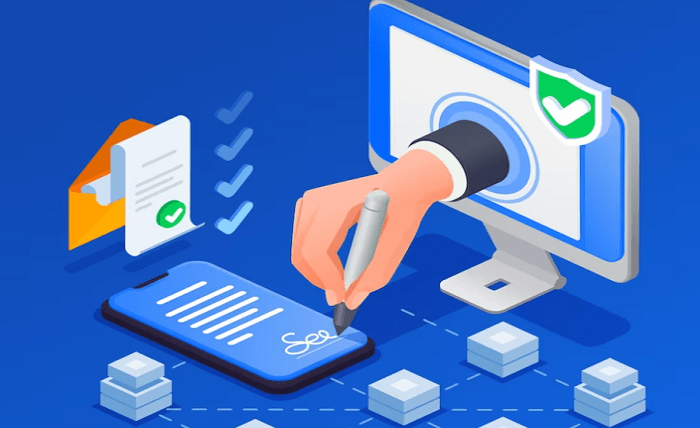
Contracts are an essential component of any business transaction, serving as legally binding agreements between parties. However, the traditional process of signing and exchanging paper contracts can be time-consuming, costly, and prone to errors. In today’s digital age, businesses are turning to electronic document signing as a more efficient and secure alternative. This method allows contracts to be signed and exchanged electronically, eliminating the need for printing, scanning, and mailing physical documents. Despite its apparent benefits, many organizations are still hesitant to adopt electronic document signing, citing concerns over its validity and security. However, with proper understanding and implementation, electronic document signing can not only streamline the contract process but also provide a higher level of security and compliance. Unlock the secret to seamless contracts by mastering the art of electronic document signing, powered by the efficiency and security of Digital Signatures. In this article, we will delve into the secret to seamless contracts – mastering electronic document signing. We will explore the benefits, best practices, and common misconceptions surrounding this modern approach to contract management, equipping businesses with the knowledge and confidence to embrace electronic document signing with ease.
Streamline contract process with e-signatures
Electronic document signing has revolutionized the way businesses handle contracts, offering a more efficient and secure alternative to traditional paper contracts. With the use of e-signatures, businesses can streamline the contract process, saving valuable time and resources. Gone are the days of printing, signing, scanning, and mailing documents back and forth. With e-signatures, contracts can be signed and executed in a matter of minutes, eliminating the need for physical signatures and manual document handling.
Not only does e-signature technology save time and resources, but it also provides a higher level of security and compliance. With advanced encryption and authentication measures, electronic document signing ensures the integrity and authenticity of the signed documents. Furthermore, e-signatures leave a digital audit trail, providing a record of who signed the document, when it was signed, and any changes that were made. This level of transparency and traceability can help businesses demonstrate compliance with regulatory requirements, giving them peace of mind in their contract process. In summary, mastering electronic document signing is the secret to seamless contracts, offering a faster, more secure, and more compliant way of conducting business.
Enhance efficiency with digital contract signing
In today’s fast-paced business world, time is of the essence. As companies strive to stay competitive and meet tight deadlines, every second counts. This is where the use of electronic document signing with e-signatures comes in. By embracing this technology, businesses can significantly enhance their efficiency and streamline their contract process. With just a few clicks, contracts can be signed, shared, and stored securely, eliminating the need for printing, scanning, and faxing. This not only saves time but also reduces the risk of errors and delays that are often associated with traditional paper contracts.
Moreover, electronic document signing also offers a range of security features that ensure the integrity and authenticity of contracts. Encryption and authentication mechanisms safeguard sensitive information, while a digital audit trail provides a transparent record of all actions taken on the document. This not only adds an extra layer of protection but also reduces the risk of disputes and legal challenges. With these capabilities, businesses can have peace of mind knowing that their contracts are secure, compliant, and easily accessible. In conclusion, mastering electronic document signing is the secret to seamless contracts and can greatly benefit businesses in terms of efficiency, security, and compliance.
Ensure security and legal compliance
Electronic document signing with e-signatures is a valuable tool for businesses, providing numerous benefits such as increased efficiency and a more streamlined contract process. However, it is crucial to ensure security and legal compliance when utilizing this technology. This means implementing proper measures to protect sensitive information and ensuring that electronic signatures are legally valid and enforceable. Failure to do so could result in legal consequences and compromise the integrity of the contract.
To ensure security and legal compliance when using electronic document signing, businesses must prioritize data protection. This can be achieved by utilizing encryption and authentication mechanisms to safeguard sensitive information and prevent unauthorized access. Additionally, it is essential to comply with relevant laws and regulations surrounding electronic signatures, such as the Electronic Signatures in Global and National Commerce Act (ESIGN) and the Uniform Electronic Transactions Act (UETA). By taking these steps, businesses can confidently embrace electronic document signing and reap its benefits without compromising security or legal compliance.
Eliminate paperwork with electronic signatures
Implementing electronic signatures in place of traditional, paper-based signatures can greatly benefit businesses in terms of time, cost, and environmental impact. By eliminating the need for physical documents, businesses can save time on printing, scanning, and mailing contracts. This also reduces costs associated with paper, ink, and postage, resulting in significant cost savings for the company. Additionally, electronic signatures pave the way for a more environmentally friendly approach, as it reduces paper waste and contributes to a greener, more sustainable business practice.
However, it is crucial to prioritize security and legal compliance when implementing electronic signatures. This involves choosing a reputable and secure e-signature platform that offers encryption and authentication features to protect sensitive information. It is also important to ensure that electronic signatures meet legal requirements, as different countries and industries may have varying regulations. By mastering electronic document signing and prioritizing security and compliance, businesses can experience a seamless and efficient contract process while also safeguarding the integrity of their agreements.
Improve collaboration and workflow management
Efficient collaboration and streamlined workflow management are essential components of a successful business. With the increasing use of electronic signatures, it has become easier to collaborate and manage workflows across teams and departments. Electronic document signing has revolutionized traditional contract signing processes by eliminating the need for physical documents, reducing the risk of errors, and significantly speeding up the signing process. By implementing electronic signatures, businesses can improve their collaboration and workflow management while also reducing costs and environmental impact.
In addition to the benefits of time and cost savings, electronic signatures also offer enhanced security and legal compliance. It is crucial for businesses to choose a secure e-signature platform that meets industry standards and regulations. By ensuring that electronic signatures are legally binding and enforceable, businesses can have peace of mind knowing that their contracts are secure and compliant. With improved collaboration and workflow management, businesses can operate more efficiently and effectively, ultimately leading to increased productivity and success.
Conclusion
In today’s fast-paced business world, it is essential to have efficient and secure methods for signing contracts. Electronic document signing offers a solution that is not only convenient but also reliable and legally binding. By understanding and mastering this process, businesses can save time, reduce costs, and improve their overall operations. As technology continues to advance, it is crucial for companies to adapt and embrace electronic document signing to stay competitive and streamline their contract processes. With the proper knowledge and tools, businesses can achieve seamless contract signing and enhance their overall productivity.