


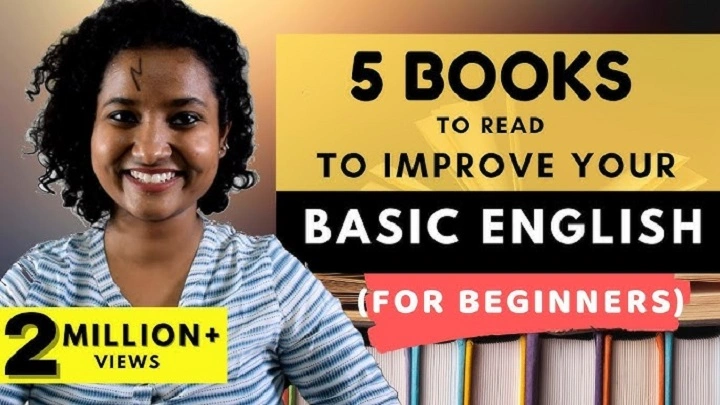
Try it for yourself: you’re reading a book, caught up in the action, when you come across something unfamiliar. You stop, look it up, and suddenly it all makes sense because someone’s put it on you. That’s the magic of learning English through reading. Books aren’t just a joy to read. They are great tools that put your grammar in its place. They give your vocabulary some muscle, and make you think in English.
In the middle of this age of web tutorials and phone applications, there is a special place for the humble book in language learning. Reading is an immersion into sentence structure, idiom, and cultural allusion that even the most impeccable grammar exercise simply can’t equal. With the right texts, it is all accomplished with enjoyment, and you are guided along as your language ability grows naturally.
This brushes on the best books to read in English in order to learn English better, how reading affects you, how to choose the best, and how to make the most from them.
Why Books Work for Your English
Reading is a rich language experience. It engages your brain in ways that quite simply aren’t available through listening or speaking.
Vocabulary Enrichment – You are introduced to new words in context, therefore easier to remember.
Grammar in Practice – You observe the rules of grammar being applied naturally, therefore validating what you have learned abstractly.
Cultural Insight – Texts acquaint you with idioms, humor, and allusions that make you proficient enough to understand natives.
Improved Writing Skills – Reading exposure to well-formed sentences and writing styles improves your writing.
English Thinking – The greater the reading, the lower the mental translating, speeding up understanding and production.
How to Select Books at Your Level

Not all books for all students. A book that is too difficult will drive you bonkers, and a book that is too simple won’t let you master your skills.
For Beginners – Select short books, children’s fiction, or graded readers which limit vocabulary but do not kill the suspense of the book.
For Intermediate Learners – Choose books with harder vocabulary but comparatively easier sentence structure.
For Advanced Learners – Test your vocabulary with classics, current fiction novels, and non-fiction that approach near-pornographic vagueness to subjects.
Most Suitable Book Forms to Read in Order to Master English
Fiction Novels – Perfect for narrative, character development, and easy-going, informal English exercise.
Short Stories – Perfect for reading in individual chunks and saturated vocabulary absorption.
Non-Fiction – Enhances vocabulary in subject matter and formal, informative writing.
Biographies and Memoirs – Will assist you in writing speed for narratives and familiarize you with everyday environments and colloquial language.
Self-Help and Inspirational Books – Usually written in plain English with straightforward, simple prose.
English Novels for Beginners
Charlotte’s Web by E.B. White
It is a simple language novel. Perfect for beginners.
The Little Prince by Antoine de Saint-Exupéry
Although it began as French. But the English translation is very readable. It is rich in wisdom also.
Diary of a Wimpy Kid by Jeff Kinney
It has plain, dragged-out, and relaxed English language. Perfect to start conversational learning.
The Curious Incident of the Dog in the Night-Time by Mark Haddon
Simple and clear writing style. It helps with descriptive and observation words.
English Books for Intermediate Learners
J.K. Rowling’s Harry Potter Series
It is light, and magical. It is rich in daily and fantasy vocabulary.
Paulo Coelho’s The Alchemist
It’s a simple book with deep philosophical vocabulary.
Harper Lee’s To Kill a Mockingbird
It’s heavily cultural. It is a people-centered book.
George Orwell’s Animal Farm
It has short, symbolic, and simple to grasp political and social vocabulary.
English Books for Advanced-Level Students
Jane Austen – Pride and Prejudice
It’s a masterpiece of classic British English. Also for irony, and social satire.
George Orwell – 1984
It comes with difficult themes and difficult words. But it is an engaging dystopian novel.
F. Scott Fitzgerald – The Great Gatsby
It has imagery and difficult words. To achieve a sophisticated writing style.
Yuval Noah Harari – Sapiens: A Brief History of Humankind
It is non-fiction with difficult concepts. Perfect for academic vocabulary and critical thinking.
English Reading Strategies
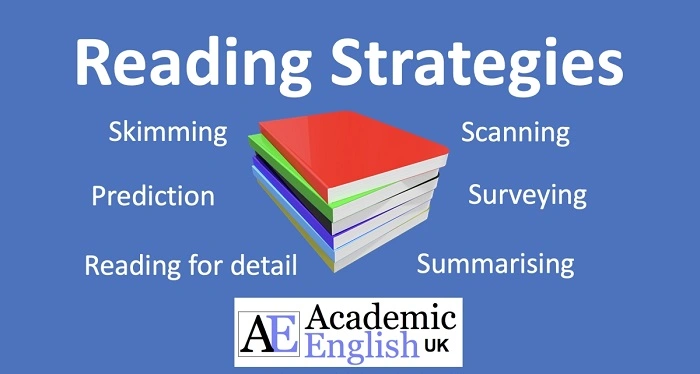
Read Aloud – It improves rhythm. It makes the pronunciation better.
Use a Dictionary Sparingly – Make an educated guess at word meaning from context before referencing a dictionary.
Keep a Vocabulary Journal – New words with sample sentences.
Summarize Each Chapter – Understanding and retention.
Discuss the Book – Join book clubs or online forums. Then talk about what you’ve read.
Also Read: Mastering Present Continuous Tense: Hindi to English Examples That Make It Easy
Balancing Reading with Other Language Skills
Even better than reading is to read, speak, listen, and write all at once. For example, read a book, have someone read the book out loud to you, and then write a review or an argument of it. That type of multi-skill process locks in your learning.
Advantages Beyond Learning to Read and Write
English literature reading doesn’t just make you a good writer or speaker – it opens your mind. You gain something new, know the world and characters, and are familiar with the world. And it is a de-stress exercise that soothes.
Avoidable Common Mistakes
Reading too difficult books too soon – Could result in frustration and abandonment.
Translation of every sentence – Makes reading monotonous and disrupts flow.
Random reading – Passive reading will help less than practice.
No repetition – Repeating difficult things cures learning.
Last Words
It’s not a rush job, but one of the most enjoyable and rewarding methods of acquiring the language. If you’re reading books of the appropriate type for your level, reading sensibly, and then adding the rest of the language skills on top. Then you can progress each day. The key is to be enjoying what you’re doing. Because, if you’re enjoying the story, you’ll enjoy learning.
FAQs
Do I read more-than-me books?
Yes, but too hard and you’ll be sent back a step. Read slightly harder books every two years or so.
Do I read electronic books or printed-out ones?
Either is fine. Electronic books give instant reference to the dictionary, and printed-out ones give no distraction.
How many pages do I read daily?
Even 5–10 pages a day will suffice if done daily.
Does reading audiobooks help?
They help with listening and pronunciation, especially if done with the book.
Will reading make me fluent?
Reading certainly helps with vocabulary and comprehension. But add speaking and listening to become fluent.