


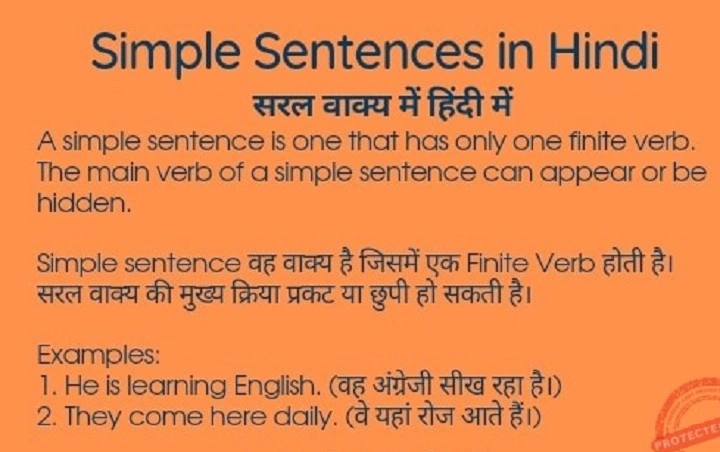
Language is a bridge. It brings one heart together with the other, one culture with the other. And in India, Hindi is that bridge on which millions cross every day. If you are learning the language, one of the very first things that would be on your mind is constructing sentences. You know words are like bricks. But building a Hindi mein sentence—that is building the house.
This guide is with you. Step by step. We’re going to take a look at what is a Hindi sentence, how we construct one, how to drill it, and how to use them in life. If a student, visitor, or simply curious, this will give you clarity and confidence.
What Does Hindi Mein Sentence Mean
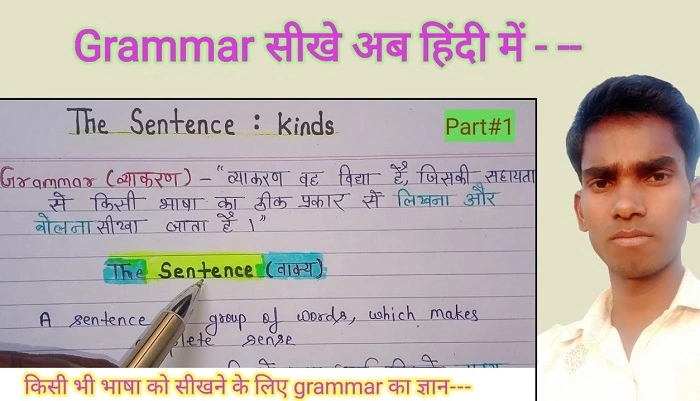
The phrase “Hindi mein sentence” literally means “a sentence in Hindi.” It is used to express any complete line of thought uttered in the Hindi language.
Examples
मेरा नाम राहुल है। (Mera naam Rahul hai.) → My name is Rahul.
वह स्कूल जा रही है। (Vah school ja rahi hai.) → She is going to school.
मुझे चाय पसंद है। (Mujhe chai pasand hai.) → I like tea.
All these are concise, but all meaningful. A sentence is a breath-thought expressed in words.
Pattern of Hindi Sentences
In order to form an appropriate Hindi sentence, you need to be aware of its pattern. Hindi and English are not the same.
Simple Pattern: Subject + Object + Verb
मैं किताब पढ़ता हूँ। (Main kitaab padhta hoon.)
Translation: I read a book.
Here, the subject is “मैं” (I), the object is “किताब” (book), and the verb is “पढ़ता हूँ” (read).
Daily Sentences of Hindi Mein
Given here are spontaneous sentences that you can practice:
मैं ठीक हूँ। (Main theek hoon.) → I am fine.
वह गाना गा रहा है। (Vah gaana gaa raha hai.) → He is singing a song.
वे बाज़ार जा रहे हैं। (Ve bazaar ja rahe hain.) → They are going to the market.
We need assistance. (Humein madad chahiye.) → We need help.
Do you feel hungry? (Kya tum bhookhe ho?) → Are you hungry?
Notice how brief sentences cover life as we live it.
Why Learn to Construct Hindi Sentences
Because wordless sentences will not be able to communicate. You may know that chai = tea. Naam = name. Dost = friend. But you won’t be able to get your point across until you put them in a sentence.
Sentences are the melody of words. They put together individual notes and create a melody.
Example
Words: पानी (water), ठंडा (cold)
Sentence: पानी ठंडा है। (Paani thanda hai.) → The water is cold.
And that is where the distinction between having fragments of knowledge and having the entire knowledge is established.
Simple Hindi Sentences for Beginners
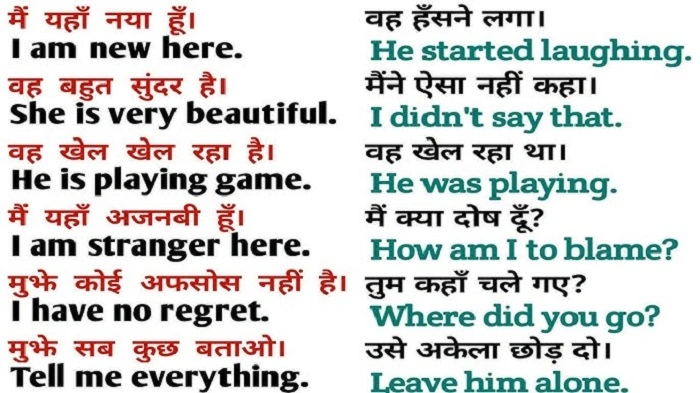
Here are some simple, practical lines.
यह मेरी किताब है। (Yeh meri kitaab hai.) → This is my book.
वह मेरा दोस्त है। (Vah mera dost hai.) → He is my friend.
तुम कहाँ जा रहे हो? (Tum kahaan ja rahe ho?) → Where are you going?
हम स्कूल जाते हैं। (Hum school jaate hain.) → We go to school.
मौसम अच्छा है। (Mausam achha hai.) → The weather is nice.
Types of Hindi Sentences
Hindi mein sentences can be divided into types, much like English.
Declarative (Statements)
मैं पढ़ता हूँ। (Main padhta hoon.) → I read.
Negative
मैं पढ़ता नहीं हूँ। (Main padta nahin hoon.) → I don’t read.
Interrogative (Questions)
क्या तुम तैयार हो? (Kya tum tayyar ho?) → Are you ready?
Imperative (Commands/Requests)
दरवाज़ा बंद करो। (Darwaza band karo.) → Close the door.
Exclamatory (Feelings)
कितना सुन्दर है! (Kitna sundar hai!) → How beautiful it is!
These types add language variety and liveliness.
Common Mistakes to Avoid
While building Hindi sentences, learners generally experience difficulties.
- Word order confusion. English follows Subject-Verb-Object order. Hindi follows Subject-Object-Verb.
- Gender agreement. In Hindi, the verb changes based on masculine or feminine subjects.
वह खा रहा है। (He is eating.)
वह खा रही है। (She is eating.)
- Tenses changes. Hindi verbs change with time, as in English.
Practice step by step, and patterns become automatic.
Synonyms and Style
You can enrich sentences using the aid of synonyms and style variation.
मुझे खुशी है। (Mujhe khushi hai.) → I am glad.
मैं प्रसन्न हूँ। (Main prasann hoon.) → I am joyful.
मुझे अच्छा लग रहा है। (Mujhe achha lag raha hai.) → I feel good.
Both sentences convey the same feeling but with differences in depth of meaning.
Hindi in Literature and Everyday Life
Hindi sentences appear to be ubiquitous—from Bollywood song lyrics to election speeches.
A poet may write: दिल चाहता है। (Dil chahta hai.) → The heart desires.
A line in a movie can say: मुझे मेरे दोस्त पर गर्व है। (Mujhe mere dost par garv hai.) → I am proud of my friend.
The leader may say: हम सब एक हैं। (Hum sab ek hain.) → We are all one.
While listening, reading, or observing, look at how sentences are formed.
Emotional Strength of Hindi Sentences
Hindi sentences are musical. They actually do sound like music.
माँ मुझे बुला रही है। (Maa mujhe bula rahi hai.) → Mother is calling me.
मैं तुम्हें याद कर रहा हूँ। (Main tumhe yaad kar raha hoon.) → I am missing you.
आज मैं बहुत खुश हूँ। (Aaj main bahut khush hoon.) → Today I am very happy.
All express a feeling which is hard to explain.
Practice Sentences: Step by Step
This is how you can prepare practice:
Start with nouns: किताब (book), दोस्त (friend), घर (home).
Add verbs: है (is), जाता (goes), पसंद (likes).
Create sentences
यह किताब अच्छी है। (Yeh kitaab achhi hai.) → This book is good.
मेरा दोस्त स्कूल जाता है। (Mera dost school jaata hai.) → My friend goes to school.
मुझे मेरा घर पसंद है। (Mujhe mera ghar pasand hai.) → I like my home.
Practice makes you confident.
Beyond Daily Conversation
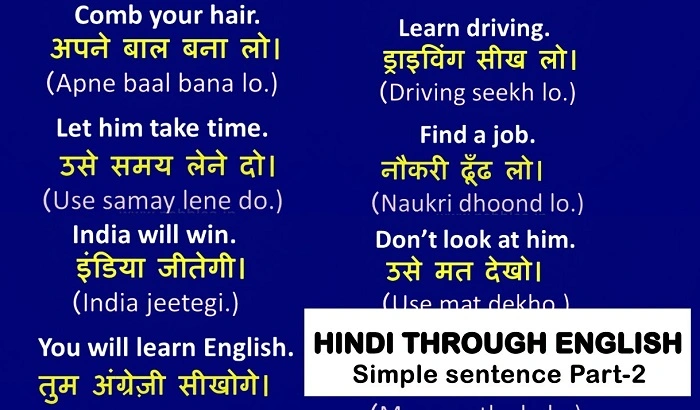
Sentences also give way to poetry, prayer, and proverbs in Hindi.
जैसी करनी वैसी भरनी। (Jaisi karni waisi bharni.) → As you sow, so shall you reap.
समय अनमोल है। (Samay anmol hai.) → Time is precious.
सत्य ही ईश्वर है। (Satya hi Ishwar hai.) → Truth is God.
These sentences impart wisdom transcending grammar.
Why Hindi Sentences Still Matter
In an age of short messages and rushed speech, full sentences are beautiful. They give rhythm to thought. They give feeling room.
Hindi sentence construction is more than grammar rules. It is getting involved in a culture, a rhythm, a melody that has survived the centuries.
Extended Examples
बच्चे खेल के मैदान में खेल रहे हैं। (Bacche khel ke maidan mein khel rahe hain.) → Children are playing in the playground.
मेरे पिता सुबह जल्दी उठते हैं। (Mere pita subah jaldi uthte hain.) → My father gets up early in the morning.
वह बहुत मेहनत से पढ़ती है। (Vah bahut mehnat se padhti hai.) → She studies with great effort.
हम सभी मंदिर जा रहे हैं। (Hum sabhi mandir ja rahe hain.) → We are all going to the temple.
आज मौसम बहुत सुहावना है। (Aaj mausam bahut suhaavana hai.) → Today the weather is very pleasant.
These show how open Hindi sentences can be.
FAQs on Hindi Mein Sentence
What is the Hindi mein sentence?
It is any spoken or written Hindi sentence.
How is a Hindi sentence formed?
Subject + Object + Verb is the general rule.
Can Hindi sentences be simple sentences?
Yes. Example: मैं खुश हूँ। (Main khush hoon.) → I am happy.
Do verbs change gender?
Yes. Example: वह गया (he went), वह गई (she went).
How can I practice?
Write short daily sentences about your life and read them out.
Conclusion
In Hindi sentences aren’t grammar—it’s life lived in some other language. It is the manner in which ideas get rhythm, feelings get words.
Say, “मैं खुश हूँ।” → I am happy.
Say, “तुम कहाँ जा रहे हो?” → Where are you going?
Say, “यह मेरा घर है।” → This is my home.
Each time, you are a step closer to fluency. Each time, you are closer to the heart.