


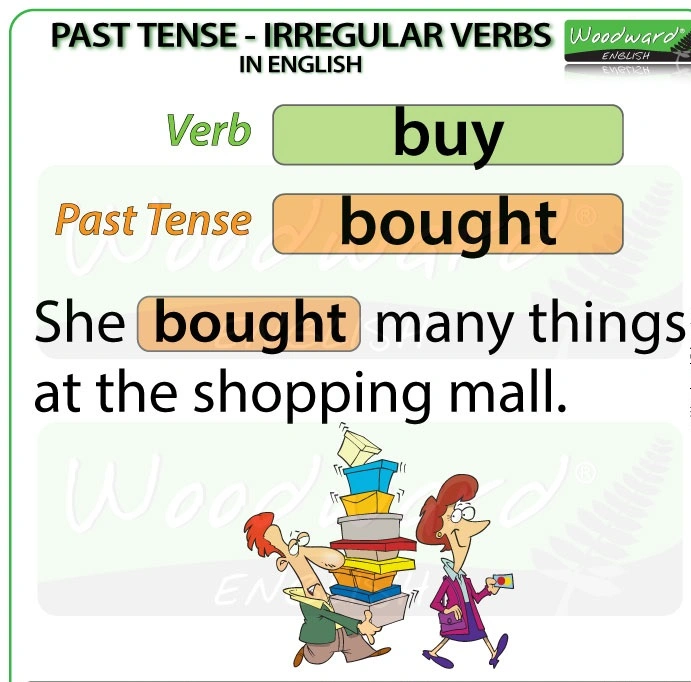
The word “buy” is a common word in the dictionary. You apply it when you need to talk about spending money. You can use the word as “I buy fruits daily” or “She buys clothes at weekends.” It is something which happens to every human being’s life, so it is highly necessary to learn its use in different tenses.
The past participle and past tense of “buy” is the verb “bought.” How to use it and when to use it will make you a great English speaker and writer.
What Is the Meaning of Buy
The word “buy” is a verb that signifies to pay with money. You can buy a good, a service, or even a thought if you feel like it. The word can be used in many various ways in English.
Examples
• I purchase vegetables at the market.
• She purchases books online.
• They purchase gifts for their friends.
• We purchase groceries weekly.
In all these sentences, “buy” is the present tense. But if the action is done already, you must use “bought.”
Forms of Buy

All the English verbs have three simple forms. In the verb “buy,” they are:
Present form: buy
Past form: bought
Past participle form: bought
Examples
• Present: I buy new shoes monthly.
• Past: I bought new shoes yesterday.
• Past participle: I have bought new shoes recently.
The past and past participle of “buy” is “bought.” It’s simple to remember because the same word is applied to two tenses.
Simple Meaning of Bought
“Bought” is applied when you are talking about the past act of buying. You apply it to show something bought already.
Examples
• I bought a new phone yesterday.
• They purchased show tickets.
• We purchased fruit from the market.
• He purchased a car last month.
All the above sentences are discussing something which has already occurred. Action has been done. And the verb “bought” shows past action.
Difference Between Buy and Bought
The distinction is just one of time. “Buy” applies to present and future tense. While “bought” applies to past tense.
Examples:
• I buy milk daily. (Present)
• I bought milk yesterday. (Past)
• I will buy milk tomorrow. (Future)
Observe that “bought” never follows helping verbs. Such as do or does in simple sentences. It’s the past tense form.
Examples of Bought in General Usage
• She bought some apples.
• They bought a townhouse.
• He bought his son a bicycle.
• We bought travel treats.
These all state something bought in the past. “Bought” simply seems so naturally second-nature to state something that has already been accomplished.
Negative Sentences with Bought
To form a negative sentence in the past tense, you place “did not” or “didn’t” before the base form.
Examples:
• She did not buy a gift.
• They did not buy fruits.
• He did not buy the shoes.
• We did not buy tickets.
You never say “I didn’t buy.” It is incorrect. Always say “did not buy.”
Question Sentences Using Bought
To make a question, write “Did.”
Examples:
• Did you buy vegetables yesterday
• Did she buy new clothes
• Did they buy a new car
• Did he buy the tickets
Observe the difference here that after “Did,” we have “buy” and not “bought.”
Past Perfect Form of Buy
There are certain cases where you have to talk of two things which had happened previously. The first one is “had bought.”
Examples:
• I had bought the book when the shop closed.
• She had bought a ticket when the train arrived.
• They had bought gifts when the party began.
• We had bought fruits when the market was full.
“Had bought” tells us that the action was in the past already prior to another past action having occurred.
Present Perfect Form of Buy
You use “have bought” or “has bought” in order to tell us that you’ve just bought something recently, or the effect still continues.
Examples:
• I have bought a new phone.
• She has bought a car.
• They have bought tickets this evening.
• We have bought enough food for everyone.
Past Continuous Form of Buy
You use “was buying” or “were buying” to show an action was taking place in the past.
Examples:
• She was buying clothes from the bazaar.
• They were buying gifts at the shop.
• We were buying milk when the shop closed down.
How to Teach the Verb Buy
It can be simplified to demonstrate to teachers. Demonstrate a picture of a man shopping or paying money to a shopkeeper. Inform them, “He is buying.” Then demonstrate the second picture after someone has bought it already and say, “He bought it.”
Ask them to repeat: buy, bought, bought.
Lastly, provide them with examples using the time markers like today, yesterday, or last week.
Examples:
• Today I bought vegetables.
• I bought vegetables yesterday.
• I purchased new garments last week.
This will instruct learners about how time affects the verb pattern.
Worksheet 1: Make Negative Sentences
I purchased a bag.
She purchased flowers.
They purchased milk.
He purchased tickets.
Answers:
I did not purchase a bag.
She did not purchase flowers.
They didn’t purchase milk.
He didn’t purchase tickets.
Worksheet 2: Change to Questions
She bought a car.
They bought fruits.
He bought a house.
I bought shoes.
Answers:
Did she buy a car
Did they buy fruits
Did he buy a house
Did I buy shoes
Phrases Involving the Word Buy
The word “buy” is also used in most phrases and idioms in English.
• Buy time – to postpone something.
Example: He tried to buy time by raising many questions.
• Buy into – to believe something.
Example: I do not buy into mere promises.
• Buy up – to purchase everything available.
Example: They bought up all they could there.
• Buy out – to purchase an ownership or a share.
Example: He bought his partner’s share in the company.
These idioms sound very commonly as we speak and sound quite natural to include in your own sentences.
Examples from Daily Life
The following are some easy examples that you can utilize in your life.
• I bought bread from the bakery.
• She bought a ring for her sister.
• They bought a house near the park.
• He bought snacks for the movies.
• I bought gifts for children.
• I just bought this phone.
• She bought two dresses.
• Tickets to the concert were already bought by them.
• He was buying vegetables when it rained.
• We were buying clothes from a mall.
Mini Story Practice
I spent the weekend shopping with my family. We did a lot of shopping. My mother did vegetables, my father did shoes, and I did a new shirt. A few gifts to friends were also bought by us. It was a sale, the shopkeeper informed us, and numerous people had already bought items earlier than us. Returning home, my mom informed us that she had never spent so many items at once. Shopping was fun for us.
This illustrates how to utilize “bought” and “had bought” for past action.
How to Practice Daily
You can speak and write your grammar every day. Below are tips for practice.
• Practice ten sentences using “bought.”
• Practice five interrogative sentences and five negative sentences.
• Read a story and label all the words indicating past tense.
• Describe what you purchased yesterday or last week.
• Prepare a list of things you shopped for and narrate what you purchased previously.
Sample practice sentences:
• I purchased milk yesterday.
• I have not purchased sugar.
• Did you purchase fruits
• I have purchased enough for this week.
• My friend purchased a gift for me.
Time Words Commonly Used with Purchased

• Yesterday
• Last night
• Last week
• A few days ago
• This morning
• In 2020
Examples:
• I purchased this phone last year.
• She purchased flowers this morning.
• They bought new furniture in the last few days.
• We bought our house in 2020.
Also Read: Go Past Tense: Rules, Meaning, and Simple Examples for Students
Simple Summary of Forms
Base form: buy
Past form: bought
Past participle: bought
Continuous form: buying
Example Summary:
• Present: I buy food daily.
• Past: I bought food yesterday.
• Future: I will buy food tomorrow.
• Present perfect: I have already bought food.
• Past perfect: I had already bought food when you came.
• Present continuous: I am buying food today.
• Past continuous: I was purchasing food as it rained outside.
Confusion Between Buy and By
“Buy” is to purchase something. “By” is a preposition that’s near, along, or done by someone. They’re spelled the same but are as far apart as night and day when it comes to usage.
So always remember, “buy” is always used to purchase, never positioning or authorship.
How to Remember the Word Bought
• Say the word: buy, bought, bought.
• Repeat the word “bought” ten times consecutively again and again.
• Listen to brief English stories on shopping.
• Observe English speakers and listen every time they say the word “bought.”
• Try to connect the word with what you feel. For example, think of your recent shopping and connect its English meaning.
Example of Short Conversation
Rina: Did you shop yesterday
Amit: Yes, I purchased rice and vegetables.
Rina: Did you purchase milk too
Amit: No, I did not purchase milk. I will purchase it today.
This short dialogue shows how “bought” has been used to discuss the past action and “buy” has been used for the present or future.
The word “buy” is simple to remember if you are used to its simple forms. “Bought” is the past form of “buy.” And “bought” is the past participle, as well. You say “bought” if you are talking about something you purchased in the past.
Don’t you remember the rule: “bought” in the past, “buy” in the future and present. Practice everyday verbal and written language with examples. Repeating these small sentences such as “I bought a phone,” “I did not buy the bag,” and “Did you buy apples.” Do it only for three days, and you will be applying it no doubt.
Grammar is simple by practicing through daily examples and usage. You are constantly exposed to hearing the word “buy” daily, and once you have “bought,” you would be forced to speak and write English.