

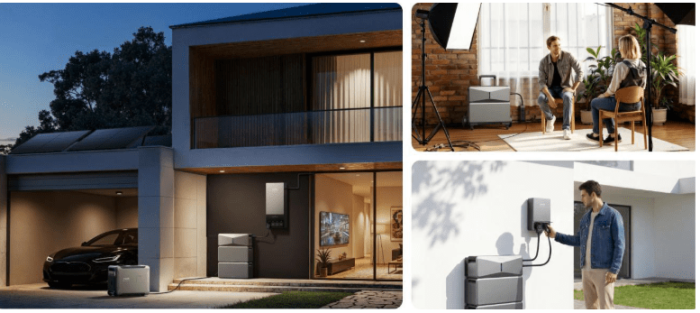
Home battery backup systems are invaluable during power outages, providing seamless energy to keep your home functioning smoothly. When the grid goes down, these systems automatically activate, ensuring your essential appliances and devices remain powered. By tapping into stored energy, home battery backups prevent disruption and offer peace of mind during unpredictable conditions. Understanding the components and mechanisms of these sophisticated systems can help you optimize their use and appreciate their reliability. Whether through solar integration or traditional grid charging, discover how these technologies safeguard your home and provide continuous power when you need it most.
Key Components of a Home Battery Backup System
A home battery backup system consists of three key components: the battery pack, inverters, and an automatic transfer switch (ATS). Together, they ensure seamless energy storage, conversion, and delivery during outages, keeping your essential devices powered.
Battery Pack and Storage
At the heart of the system lies the battery pack, the primary storage unit that holds energy until needed. Modern systems, such as Anker SOLIX E10, offer expandable batteries up to 90kWh, providing ample storage to cover extended outages. The energy stored can originate from grid power or solar panels, depending on the setup. With its advanced technology, the battery pack efficiently contains and releases power, ensuring a steady supply during emergencies. Maintenance alerts help ensure optimal performance, notifying the user when checks are needed. Proper storage management ensures batteries remain primed for action, delivering energy instantaneously to keep your home running seamlessly when the grid fails.
Inverters and Power Conversion
Inverters play a crucial role in converting the stored direct current (DC) from battery packs into alternating current (AC), the type of power most household appliances require. When an outage occurs, the inverter steps in to transform stored energy, enabling your devices to function uninterrupted. Inverters in systems like Anker SOLIX E10 are designed for high efficiency, minimizing energy loss during conversion. They adjust to varying power demands, ensuring only the necessary amount of electricity is routed to prioritized appliances. Efficient power conversion is vital for maintaining consistent output, making inverters indispensable for a reliable home battery backup system.
How Outage Detection and Switchover Work
Home battery backup systems detect grid failure swiftly and execute a switchover to stored energy. This process is automated, using components designed for immediate response.
Automatic Transfer Switch (ATS)
The Automatic Transfer Switch (ATS) is the system’s first line of defense against power outages. It detects disruption in grid electricity and immediately channels power from the battery pack to your home. The efficiency of ATS units, such as those integrated within Anker SOLIX E10, ensures an almost instantaneous switch—taking approximately 20 milliseconds—so your home continues functioning without noticeable interruption. ATS units are crucial for maintaining the seamless transition between power sources. They monitor real-time conditions and shift energy channels swiftly, ensuring continuous operation and helping you forget about manually switching during emergencies.
Isolation From the Grid
Isolation from the grid during outages is key to protecting your home’s electrical system. When an ATS activates, it not only redirects power but also isolates internal wiring from external grid influences, which may carry fluctuations during outages. The isolation prevents potential back-feeding of energy and electrical surges that may damage appliances. Home battery systems are designed for safe operation, disconnecting compromised connections promptly. This isolation is vital for ensuring your backup system directs energy exclusively where needed, safeguarding all your devices from the effects of unstable external power conditions.
Prioritizing Essential Loads
Home battery backup systems prioritize essential loads, ensuring that critical devices receive power first. This prioritization is automated and can be customized according to individual needs. Systems like Anker SOLIX E10 allow users to adjust settings so that vital home functions—such as refrigeration, lighting, and communication devices—take precedence during an outage. By efficiently managing power distribution, these systems focus energy where it’s most needed. Users can relax knowing that essential household operations remain uninterrupted, allowing for continued safety and convenience during an electrical failure. This intelligent load management enhances the overall efficiency of battery backups, adapting to individual household energy requirements.
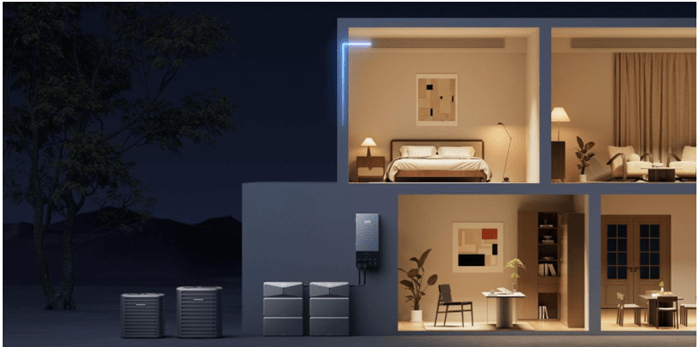
Charging Your Battery for Outages
Charging a home backup battery ensures readiness for outages. Systems utilize a combination of grid power and solar integration for comprehensive charging solutions.
Charging From the Grid
Charging from the grid ensures your battery pack is always primed for activation during the next outage. When electricity is stable, the system automatically draws charge from the grid, maintaining optimal battery levels. Everyday power checks and maintenance alerts, like those in Anker SOLIX E10, remind users to keep batteries fully charged. Grid power charging is convenient and consistent, providing an effective method to refill energy reserves. Knowing your battery pack is constantly replenished offers peace of mind, ensuring it is prepared to deliver maximum power capacity in emergencies. This readiness is crucial for maintaining continuous home operation throughout prolonged power disruptions.
Solar Integration and Charging
Integrating solar panels with battery backup systems offers an eco-friendly charging alternative. Solar energy provides a renewable source, continuously replenishing the battery pack with clean power. Systems like Anker SOLIX E10 can harness up to 27kW from solar installations. This seamless integration allows for sustainable charging, reducing reliance on traditional grid energy. Even during extended outages, solar panels assist in battery recharging, ensuring a steady flow of energy. The synergy between solar panels and battery systems is ideal for green living and energy resilience, offering homes a sustainable means to keep lights and devices operational, regardless of external power conditions.
Conclusion
Home battery backup systems offer an indispensable solution for maintaining power during outages, leveraging key components like battery packs, inverters, and ATS for seamless operation. Reliable outage detection and prioritization of essential loads ensure your home remains powered, safely isolated from unstable grid conditions. Whether charged from the grid or through solar integration, these systems guarantee readiness and resilience, providing peace of mind amidst unpredictable power disruptions. Investing in advanced technology like Anker SOLIX E10 ensures your home is equipped with the highest standard of energy reliability, offering uninterrupted power and the ability to stay comfortable and secure when the grid goes down.