

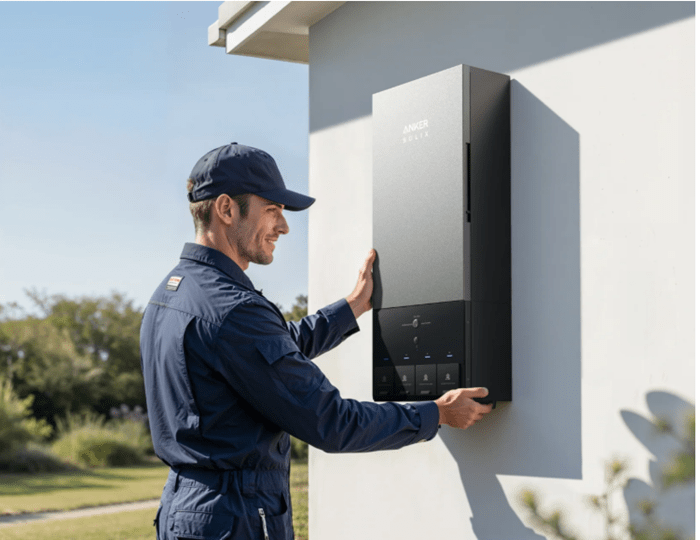
Backup power is not only about turning on when the grid fails. The real intelligence shows in how a system decides what to power first, how it stabilizes demand, and how it prevents overload during the critical first seconds of an outage. Many homeowners assume whole house generators simply energize everything at once, but that is rarely how well-engineered systems behave. Backup power requires precise decisions—about load sequencing, safety, surge management, and essential circuits. Hybrid platforms like the Anker SOLIX E10 with Power Dock optimize these decisions through fast switchover, high surge capability, and whole-home panel coverage. Understanding how priority power works helps families see which systems respond thoughtfully instead of blindly.
How Backup Systems Prioritize Loads During the First Moments of an Outage
Essential Circuits Receive Immediate Attention
When the grid fails, the whole house generators or battery system makes its first decision within milliseconds: which circuits require activation without delay. These always include core essentials such as lighting, refrigerators, medical devices, and control systems. Prioritizing these loads prevents unsafe darkness, food loss, and interruptions to any equipment that must remain stable. A system that reacts in ≤20 milliseconds, such as the E10, provides enough speed to prevent device resets or data loss. Instead of powering only selected circuits, the E10 with a 200A Power Dock can energize the entire panel, ensuring all essential loads behave as if the grid never went down. This eliminates the common frustration of older systems that force families to choose between HVAC, cooking appliances, or home office devices. Prioritization becomes seamless because the system has the capacity and surge power to carry the entire foundational load instantly.
High-Surge Appliances Are Managed Through Predictive Control
Large appliances—HVAC systems, pumps, dryers—create heavy electrical surges when they start. These brief but intense spikes can overwhelm undersized backup systems. Modern generators avoid failure by delaying certain high-surge loads or sequencing them so only one appliance starts at a time. A platform engineered for significant surge capability handles these challenges differently. Surge levels ranging from 22.8kW to 66kW allow the E10 configuration to start demanding appliances, including 5-ton air conditioners, without delaying other circuits. As a result, priority decisions shift from load restrictions to load readiness. The system does not choose between appliances; it stabilizes them. Families benefit from uninterrupted comfort even when the outage hits at the worst possible moment—such as during summer heat or winter freezes.
Safety Systems Activate Before Secondary Loads
Before energizing any secondary loads such as entertainment devices, laundry systems, or EV chargers, a whole home backup system performs protective checks. These include confirming stable voltage, preventing backfeed, and shielding circuits from power-return surges when the grid eventually restores. The E10 platform integrates surge shielding, ensuring the home does not experience damaging voltage spikes when switching to backup power. Once stability is verified, secondary loads come online naturally because the system has sufficient rated output and continuous power to handle them. Families do not need to manage breakers manually or rearrange usage patterns just to keep the home functioning.
How Smart Backup Systems Optimize Power After the Initial Switchover
Energy Storage Takes Over to Balance Loads Efficiently
After the first surge of activation, modern systems begin optimizing how they distribute power over time. Battery storage becomes a core part of this strategy. Instead of letting a generator run continuously under fluctuating loads, a well-designed system allows batteries to absorb the variability. The E10’s 6–90kWh expandable storage provides this buffer. Batteries handle small and medium home loads while maintaining stability, and the Smart Generator only activates when needed. This reduces noise, improves efficiency, and extends available backup time. By letting batteries lead and the generator follow, the system eliminates the traditional hierarchy of “essential first, everything else later.” The entire home receives balanced power sustainably.
Solar Input Helps Prioritize Daytime Power Distribution
A generator that works alone treats every outage the same. A hybrid system adjusts based on available energy sources, particularly solar. When sunlight contributes up to 27kW of generation, the system can assign solar power directly to household use while preserving stored energy for evening and nighttime needs. The E10’s dual 30–450V MPPT design maximizes solar harvest from almost any panel configuration. This allows the system to prioritize clean daytime power for both essential and nonessential circuits. Homes that experience multi-day outages benefit most from this adaptive approach because the backup strategy evolves based on hourly conditions rather than running a generator nonstop.
Whole-Home Coverage Changes How Priorities Are Defined
Older backup systems often limit users to a few protected circuits to prevent overload. These limitations force families into makeshift power planning—deciding which rooms receive electricity, unplugging appliances, or managing power manually. Whole-home backup changes this narrative entirely. Because the E10 with 200A Power Dock energizes the entire panel without requiring a subpanel, the concept of “deciding what to power first” becomes irrelevant. Every circuit is powered as usual, and the system handles load management internally. This gives families the closest experience to normal grid behavior, even during long outages. Uninterrupted living becomes the priority, not selective power distribution.
Conclusion
Backup power systems make critical decisions within moments of an outage, from supplying essential loads to managing surges and stabilizing circuits. Traditional generators often limit which circuits receive priority, leaving families to manually control what stays on. Modern hybrid platforms solve this by combining high surge capacity, fast switchover, battery buffering, and whole-home panel coverage. The Anker SOLIX E10 with Power Dock exemplifies this shift by powering the entire home immediately, absorbing load variability, and using generator synergy and solar input to maintain a stable, long-lasting supply. Understanding how these decisions occur helps homeowners choose systems that eliminate compromise and keep every part of their home running smoothly—without manual effort or guesswork.