

Choosing the right excavator size is crucial for the success and efficiency of any construction project. An excavator that is too small may not perform tasks efficiently, leading to delays. Conversely, an oversized excavator might cause maneuverability issues and escalate costs unnecessarily. Thus, matching the excavator with the specific needs of your site is essential. Whether you’re involved in a small-scale landscaping project or a large earth-moving task, understanding the nuances of excavator sizing can significantly impact your project’s outcome. Knowing how to assess your requirements accurately and familiarize yourself with different excavator categories will ensure you make informed decisions. This guide aims to simplify the process, offering clear insights into project assessment, size categories, and essential factors to consider. With this knowledge, you can confidently choose equipment that aligns with both your operational demands and budget constraints.
Understand Your Project Requirements
Identify the Scope of Work
The first step in choosing the right excavator size is identifying the scope of work. This involves determining the specific tasks required, such as digging, lifting, or demolition. Project managers should outline detailed objectives and project phases. For example, small-scale landscaping might only require surface-level excavation. In contrast, a commercial construction project could demand extensive digging. Identifying these needs will help you gauge the type of excavator required. Consider also the volume of material you will move and any specialized tasks that may require specific attachments. Clarifying these aspects will provide a clearer picture of the machinery’s capabilities needed, ensuring a well-suited excavator choice.
Assess Site Conditions and Accessibility
After pinpointing the work scope, assess the site conditions and accessibility. Examine the terrain and soil type, as these will influence the required power and traction capabilities of the excavator. For instance, a rocky landscape might necessitate a more powerful machine, while loose soil might not. Site accessibility is also critical. Tight or confined spaces require compact equipment that can maneuver easily without causing damage to surrounding structures or landscapes. Consider entry points for transporting the excavator to the site and any weight or size restrictions on paths or roads leading to the area. Understanding these conditions will assist in selecting an excavator that can operate efficiently within given site constraints.
Review Excavator Size Categories and Their Typical Uses
Mini or Compact Excavators
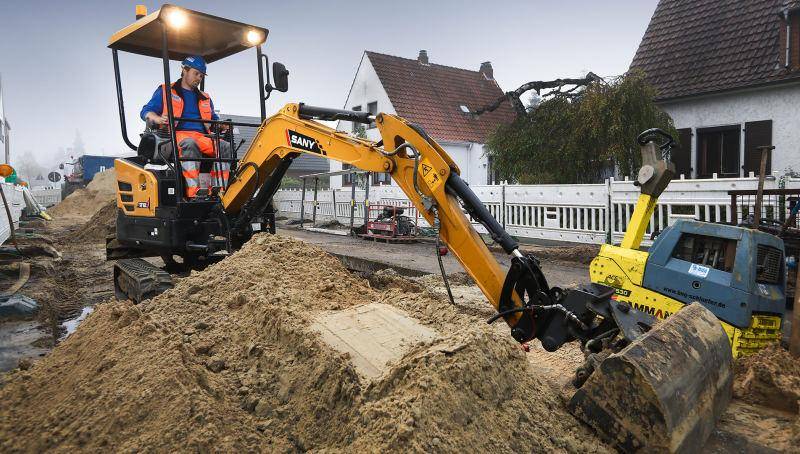
Mini or compact excavators are versatile machines suitable for small to medium-sized projects. These excavators typically have an operating weight of 1-6 tons. They excel in tight spaces where larger equipment cannot operate, making them suitable for urban environments, landscaping, and home renovation tasks. Their smaller size allows for minimal impact on surrounding areas, preserving existing structures and landscapes. Despite their size, mini excavators can offer powerful digging capabilities and accommodate various attachments, including augers and breakers, thus enhancing their usefulness in completing diverse tasks efficiently.
Mid-Size and Standard Excavators
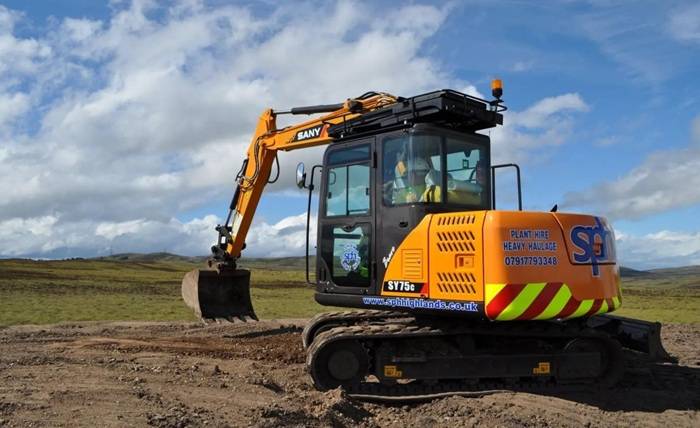
Mid-size and standard excavators serve as the workhorses for larger construction sites. Weighing between 6 to 50 tons, these machines strike a balance between power and versatility. They’re well-suited for large-scale building sites, infrastructure projects, and significant earth-moving activities. These excavators boast greater reach and digging depth compared to their compact counterparts, making them ideal for projects requiring extensive material handling or excavation. Additionally, they can accommodate a more comprehensive array of attachments, including hydraulic hammers and grapples, offering flexibility for various job site demands. Their strength and efficiency make them a reliable choice for tackling substantial tasks with precision and effectiveness.
Key Factors to Match Size with Your Needs
Digging Depth, Reach, and Bucket Capacity
When selecting an excavator, examine its digging depth, reach, and bucket capacity. These factors determine the range of tasks the machine can efficiently handle. The maximum digging depth and reach dictate how deep or far the machine can excavate, crucial for tasks like trenching or foundation work. Bucket capacity affects the volume of material that can be moved in one scoop, influencing operational efficiency. Consider the type of work and volume of soil or debris you need to manage, ensuring the excavator’s specifications align with these requirements to guarantee optimal performance and productivity.
Operating Weight, Engine Power & Attachments
An excavator’s operating weight and engine power significantly impact its effectiveness. Operating weight affects stability, with heavier machines generally offering more robust performance and endurance for heavy-duty tasks. Engine power determines the machine’s capacity to lift and move materials efficiently and tackle tougher terrains. Also, consider the attachments the excavator can support. Versatile attachment options like buckets, breakers, or grapples can enhance functionality, allowing the machine to perform a broader range of tasks. Choose an excavator with adequate power and attachment compatibility to meet the multiplexing demands of your project site.
Budget, Transport, and Maintenance Costs
Budget is a critical consideration in determining the right excavator size. Smaller machines generally cost less but could require frequent repositioning, increasing operational time. Conversely, larger excavators, while more expensive initially, may save time and labor costs. Additionally, consider transport logistics; larger machines might need special transport arrangements, increasing costs. Maintenance expenses should also be evaluated, as larger machines often have higher upkeep costs. Weighing these factors ensures that selected equipment aligns with financial constraints and operational needs, allowing for cost-effective project management without compromising performance or productivity.
Case Example: Mini Excavators from SANY
SANY offers a range of mini excavators renowned for their efficiency and reliability. These compact machines are ideal for projects requiring efficient operation in confined spaces. For example, SANY’s SY35U mini excavator provides impressive digging capabilities with minimal environmental disruption due to its compact size and robust engine performance. Its zero-tail swing design enhances maneuverability, allowing it to navigate tight spaces with ease. Equipped with advanced hydraulic systems and versatile attachments, this model can tackle a variety of tasks, from trench digging to material handling. The user-friendly controls and comfortable cab design enhance operator efficiency and safety. Additionally, SANY’s focus on durability ensures minimal maintenance downtime, making it a cost-effective choice for contractors looking to maximize productivity on smaller job sites without compromising on quality or performance.
Conclusion
Choosing the right excavator size requires careful evaluation of your project’s specific needs, site conditions, and budgetary constraints. By understanding different excavator categories and assessing factors such as digging depth and engine power, you can select equipment that aligns with project demands. Whether opting for a compact machine like SANY’s mini excavators or a standard model for extensive tasks, the right choice will optimize efficiency and cost-effectiveness. This informed approach not only enhances productivity but also ensures that the excavator integrates seamlessly into your project’s workflow, ultimately contributing to the successful execution and timely completion of your construction tasks.