

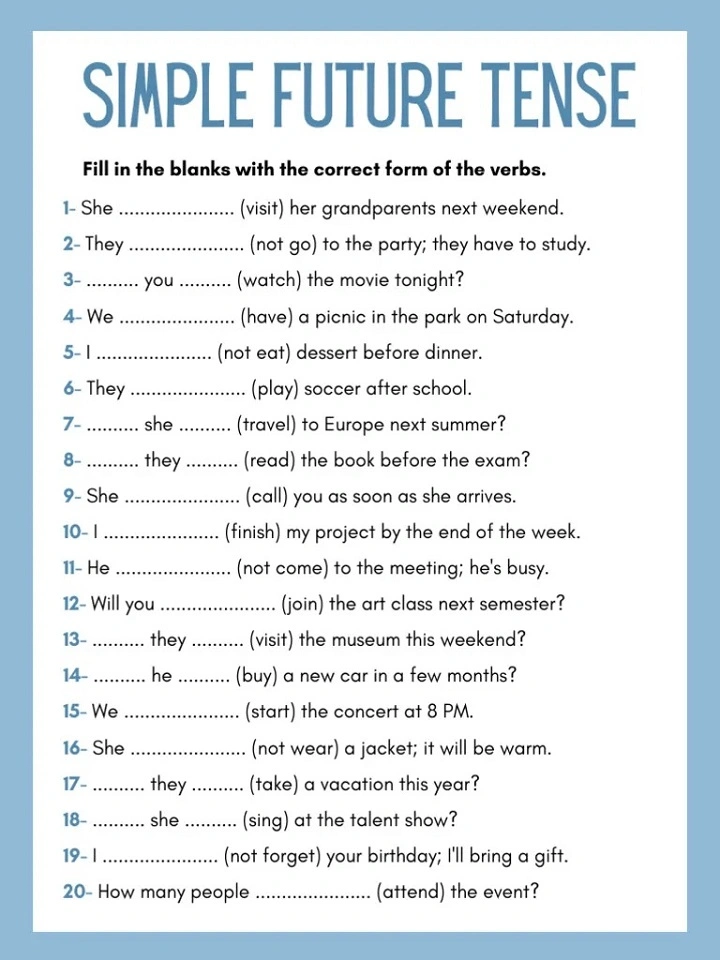
Actions that will occur later can be mentioned using the simple future tense. It explains what will happen next. When talking about tomorrow, or any other future time, you use it.
In life, this tense is crucial. It can be used to plan your day, talk about dreams, or to describe one’s goals. This will build confidence in speaking or writing English.
Simple Future Tense
This tense is used to describe actions that will happen later. There is often use of the useful verbs “will” and “shall.”
Examples:
• I will call you tomorrow.
• She will go to school next week.
• They will leave for Japan soon.
• We will meet after lunch.
Structure of Simple Future Tense
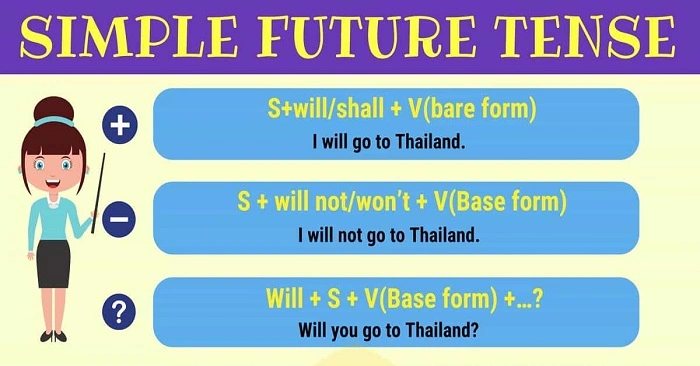
Rule: Subject + will/shall + verb (base form) + object
Examples:
• I will read the book.
• You are going to prepare dinner.
• We will attend the meeting.
• They are to play cricket.
Verbs don’t change in this tense. You have to use the base form of the verb.
Uses of It
- To indicate a decision made at the moment of speaking
• I will open the door.
• She will leave a message. - To speak about plans or predictions
• They will begin traveling tomorrow.
• It is going to rain this evening. - To make promises or offers
• I’ll help you do your homework.
• We are always behind you. - To express hope or belief about the future
• The team will win the match.
Common Time Words Used with Simple Future Tense
Time words enable you to express when the action will take place.
Common words include:
• Tomorrow
• Next week
• Soon
• Morning
• Tonight
• Later
• After a while
Examples:
• Tomorrow, I will go to see my uncle.
• She will go to the market later.
• They will be travelling soon.
Worksheet 1: Match the Sentences
| Sentence Start | Sentence End |
| I will go | to the store after breakfast. |
| They will study | for the exam next week. |
| She will clean | her room today. |
| We will watch | a film tonight. |
| He will write | an email to his boss. |
How to Teach Simple Future Tense
The tense can be easily taught by teachers with the help of some fun activities.
- Description of the Picture
Show a picture and then ask students what will happen.
Example:
Picture: A student with books.
Sentence: He will work harder. - Future Diary
Ask students to write about the next day.
Example: I will wake up early tomorrow. Then, I will read my lessons. After that, I will visit my cousin. - Role Play
The students can discuss their future dreams.
Examples: I will be a doctor. I will travel around the world. - The Question and Answer Game
Ask short questions.
• When will you visit your friend
• Who will help you with the project
Examples of Daily Use
You can use this tense very frequently in your daily life.
• They will practice football in the evening.
• He will watch TV after dinner.
• We will study together at night.
Short Story Practice
The next day will be very interesting. I will get up early. Then, I will go jogging in the park. Later, I will prepare breakfast. My brother will clean the car. We will visit our grandparents after lunch. In the evening, I will read a new book.
Examples of Promises Using Will

• I will do my best on exams.
• He will get back to you soon.
• She will visit her teacher next week.
Also Read: Buy Past Tense: Simple Rules and Examples of Use
Examples of Predictions
• It will be sunny tomorrow.
• Prices will increase next month.
• In the future, people will use more technology.
• Children will learn things more quickly with the use of digital tools.
Worksheet 2: Rearrange the Words
Book-read-will-I-tomorrow.
cook / will / she / rice / tonight.
Answers:
I will read book tomorrow.
She will cook rice tonight.
Worksheet 3: Write a Dialogue
Now, write a brief dialogue about your plans for the future.
Example:
Sami: I will visit my cousin.
Rafi: Will you go alone
Sami: No, I will go with my family.
Common Time Phrases for Practice
• Within a few minutes
• Next morning
• Next month
• Soon
• After dinner
• In future
Examples:
• I will clean my table after dinner.
• They will be going out soon.
• We shall meet in a few minutes.
Practice Sentences with “Will Be”
• The shop opens tomorrow.
• The students will be ready at 9 a.m.
• The movie will be interesting.
• The train is going to be ten minutes late.
• The teacher will be pleased with your work.
Future in Daily Routine
You can also combine daily actions with future tense.
• I will read my lessons every night.
• She will cook food for her family.
• They will plant trees in the garden.
• We are going to take pictures in the park.
Tips to Master Simple Future Tense
• Use time words to show clearly the future.
• Practice with short sentences every day.
• Write five sentences using “will” everyday.
• Read it aloud to practice fluency.
• Try to describe your daily plans in English.
The Significance of this Tense
Everyday people use this tense. It is used to allude to future actions. It facilitates day planning, thought sharing, and hope expression. After gradually mastering this grammar, you will feel comfortable using it in both writing and speaking.
A Simple Future in Discussion
This tense can be used in formal discussions and in conversations with friends. You are expressing your thoughts clearly with it. It makes it clearer to others what you intend to do next. The use of “will” in clear sentences facilitates fluid and organic communication.
Practice Makes you Fluent
The secret to mastery is practice. With practice you become fluent. Jot down your plans for the upcoming hours, or days. Next, use plain language. Until your sentences sound natural, repeat them. You will learn how to communicate your thoughts about the future more quickly the more you use this tense.
This tense is easy to understand. It will help you in discussing and planning for the future. You can talk about your daily activities, goals, or dreams. Do practice with short sentences each day. Read, write, and speak using “will.” You will improve fast and feel confident when talking about the future.